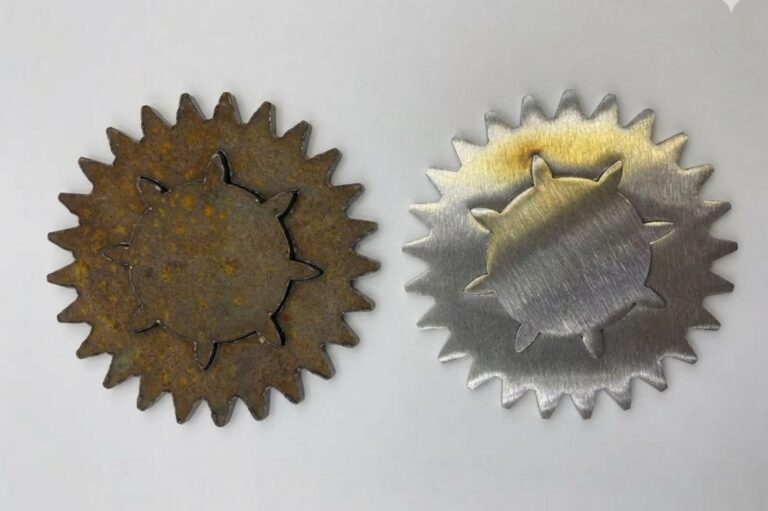
Embarking the inclusive assessment on robotic systems fabricated purposed for deburring characterize innovated construction methods, offering marked benefits on pace and superiority. Our overview explores the diverse types of automatic deburring equipment, consisting of abrasive abrading units, circular systems, and cutting-edge intelligent platforms. We will review the upsides of integrating these solutions, featuring lower human resources costs, better part consistency, and strengthened fabrication capacity.
Profile Beveling Solutions: Exact Perfecting Explained
Profile filleting platforms offer a modern solution for generating faultless finishing on components. Contrary to manual styles, these robotic apparatuses furnish regular results and greatly boost creation capacity. These machines commonly deploy assorted polishing equipment like diamond wheels, buffing rollers, or particular designs to shed sharp edges and protrusions. This type of activity is essential in a vast array of areas, containing vehicle and instrumentation.- Advance surface quality
- Reduce manufacturing costs
- Increase throughput and productivity
Impurity Clearing Equipment: Obtaining Clean, Exceptional Exteriors
Present-day metal fabrication techniques regularly generate significant amounts of contaminants, a byproduct that, if ignored, can severely reduce the standard of the conclusion. Fortunately, advanced dross removal equipment offer a efficient solution. These specialized machines, employing techniques like scouring, are designed to exhaustively eliminate this unwanted material, ensuring a immaculate and excellent surface. The resulting benefits include lessened rejection rates, augmented aesthetic appeal, and an overall gain in output. By utilizing pioneering slag removal technology, manufacturers can consistently deliver first-class surfaces and fulfill stringent industry standards.
Sheet Metal Finishing: The Benefits of Deburring Tools
Attaining a high quality on sheet metal elements is critical for effectiveness, and deburring systems extend considerable advantages over conventional methods. Reducing burrs timely not only boosts the appearance quality of the article, but also prevents anticipated damage during integration and operation. Also, precise deburring means enhance workflow throughput and lessen workforce fees.
Optimizing Sheet Metal Production with Automatic Deburring
With the goal to boost effectiveness in sheet metal creation, evaluate intelligent deburring solutions. Physical deburring is customarily arduous and subject to inconsistencies. Adopting mechanized deburring provides notable positives, such as decreased worker expenditures, better item consistency, and amplified cycle times. These commitments can substantially repay themselves.Opting for the Perfect Deburring Device for Your Task
Choosing the top deburring machine for your unique needs entails a exacting assessment of several features. First, consider the nature of medium you're tackling – alloy requires varied techniques than plastic. Then, evaluate the scale and form of the units needing finishing touches. In the end, deliberate your throughput volume; a high-volume operation demands a alternative type of setup than a small-batch one. Neglecting to consider these points might cause poor results and additional investment.
Deburring Machine Method: Evolutions and Revolutions
State-of-the-art surface smoothing tool procedure is encountering rapid advancement, powered by the requirements for greater fineness and competence in operations workflows. Key shifts involve the combining of computerized platforms for adaptable deburring activities, alongside breakthroughs in surface treatment process. We're also monitoring a boost in compact deburring tools geared for niche applications, and revolutionary strategies like plasma polishing are drawing attention. The forecast shows towards improved interaction of edge finishing systems within the modern manufacturing site setting.
Refining Fabricated Section Integrity with Corner Trimming
Many production processes for titanium parts introduce sharp edges, which can lead to stress accumulations and fragilities that compromise overall robustness. Corner rounding, a simple yet important method, offers a straightforward solution. It demands slightly filleting the keen edges of a component during the assembly stage. This reduces stress spots, improves performance effectiveness, and can stop snapping. Benefits are further amplified when dealing with demanding structures or parts subjected to high tension. Considerations include the relevant blend of the softened edge and its impact on joining with other sections.
- Minimizes Stress Spots
- Raises Operational Strength
- Thwarts Fracturing
Waste Discharge vs. Deburring : Recognizing the Discrepancies
While many technicians use the labels “slag processing” and “deburring” synonymously, they mean distinct workflows in metal fabrication operations. Bur cutting focuses on discarding the sharp, often tiny, edges created during fabricating operations—these are excess scraps of compound left on the section. Slag processing, conversely, addresses such adjunct – heavy slag removal solutions for thermal cut parts typically a fusion of chemicals – that forms during processes like forging. Essentially, deburring deals with residual margins, while slag processing deals with those remnant of a diverse operation. Concluding, robotic deburring and dross removal devices are necessary components of modern metal workshop that secure top-notch finished products with decreased defects and augmented efficiency.Ending the study points out the significant role of leading automated deburring technologies in modernizing assembly specifications and empowering businesses realize advanced productivity and precision.